Wonder - The world's first Android-based platform built for seamless, all-in-one play. Combines the best of mobile, console, retro, and cloud gaming into one unified experience.
The Project
At Wonder, I was brought in, to create user testing strategies and deep UX analysis to improve the designs for their product. I created a test plan and user testing lab at the office. In addition, I created prototypes hosted online to test gamepad UX for our TV experience with custom code. I also created multiple complex and detailed user flows and wireframes to account for both touchscreen and gamepad interaction in onboarding and upgrade paths. This complexity was multiplied by catering to in-app experiences, Android OS experiences, and web experiences on a phone screen and TV screen. I redesigned multiple products in their final states because of evolving needs and partnerships and even designed and built the corporate website.
Onsite Hardware / Software Testing
Test analysis
Mobile OS Design
Prototyping
TV Display Design
Webflow + Shopify Dev
Onboarding Strategy
Design System
System Mapping
User Testing Lab
The biggest challenge at Wonder was implementing user testing into our workflow. Because the project was top-secret and we were testing multiple hardware devices on a big screen TV and on a phone, the only solution was to invite users to our office and test there. We couldn't just use 3rd-party software such as Usertesting.com or Validately. With limited resources and space, I led the efforts in creating scripts, qualifying surveys, lab setup and breakdown instructions, inventory management for all of our recording equipment, and final data analysis and recommendations. As a design team, we moderated users in our test room via conference call in another room while we observed them with multiple webcams hooked up to OBS.
Applying Data to Design
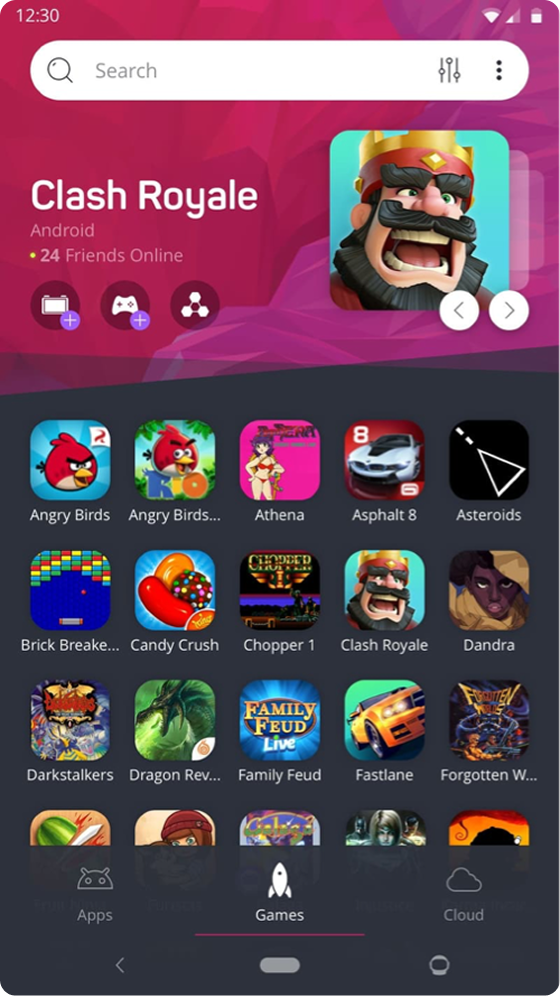
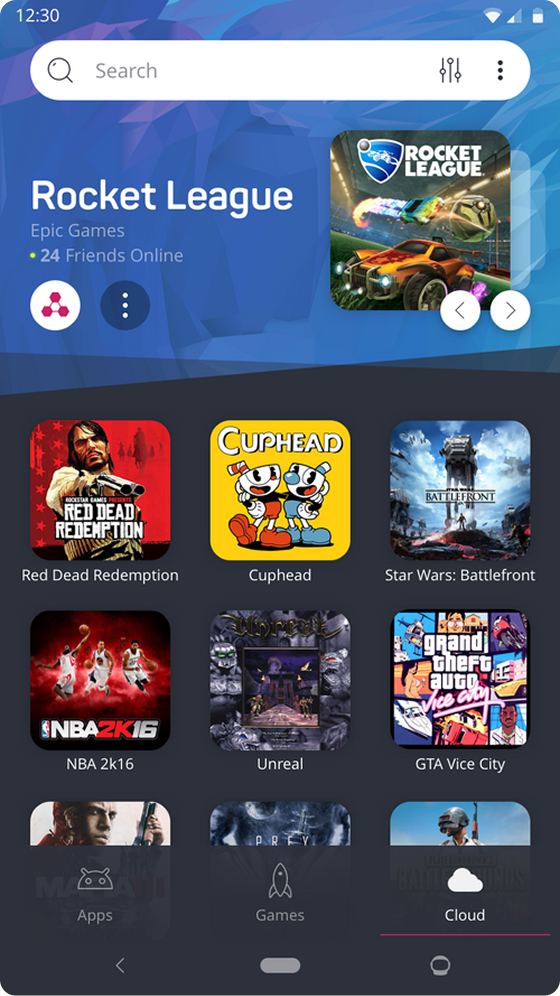
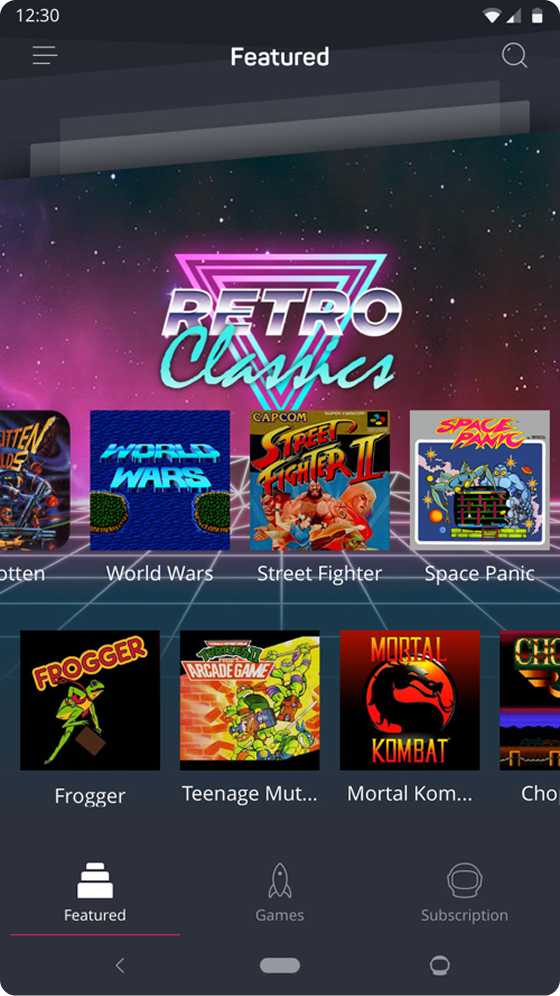
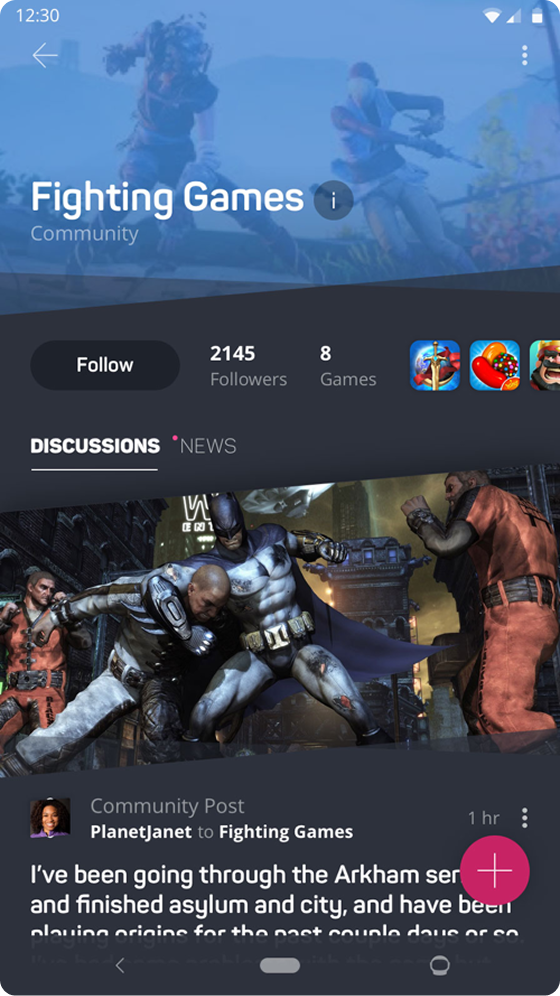
With a large spreadsheet of user testing data and hours of footage, I went to work on updating some designs for our Game Drawer, Home Screen and TV Launcher experience. I converted the final sketch files into Principle prototypes to demonstrate interaction and animation transitions. Other features were improved upon by the design team to improve usability from our testing discoveries.
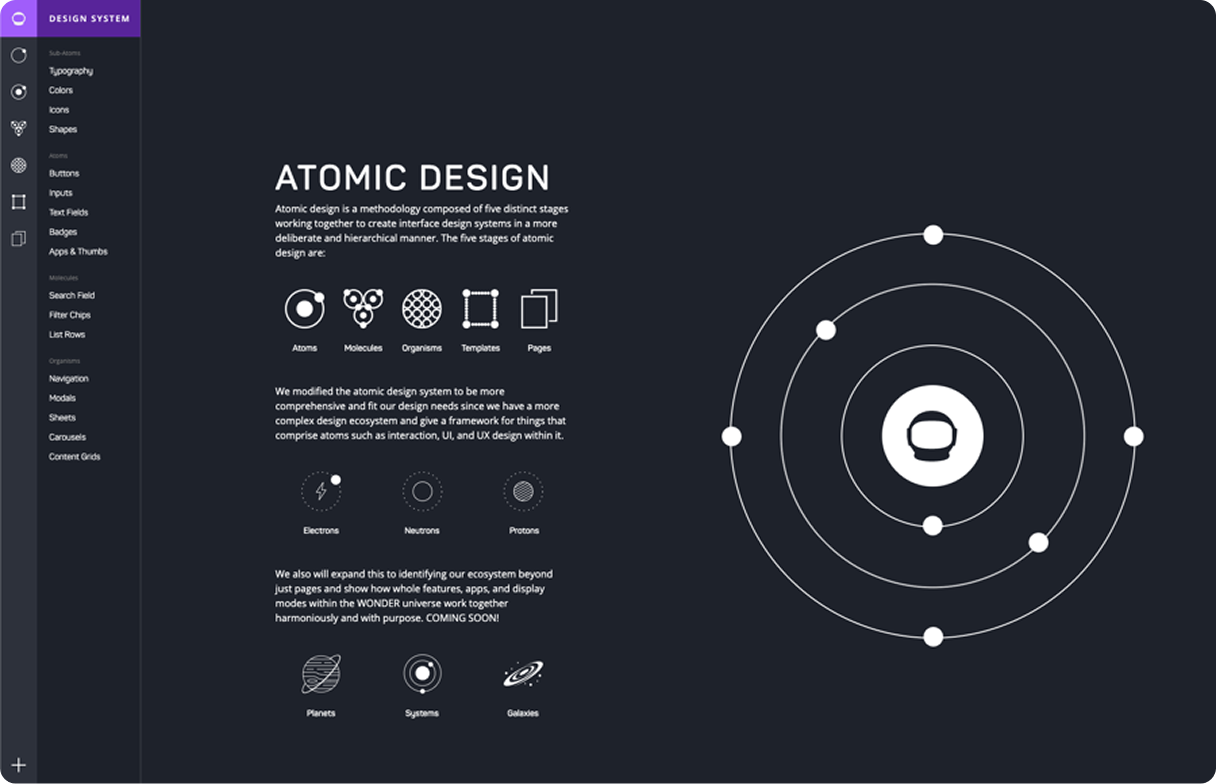
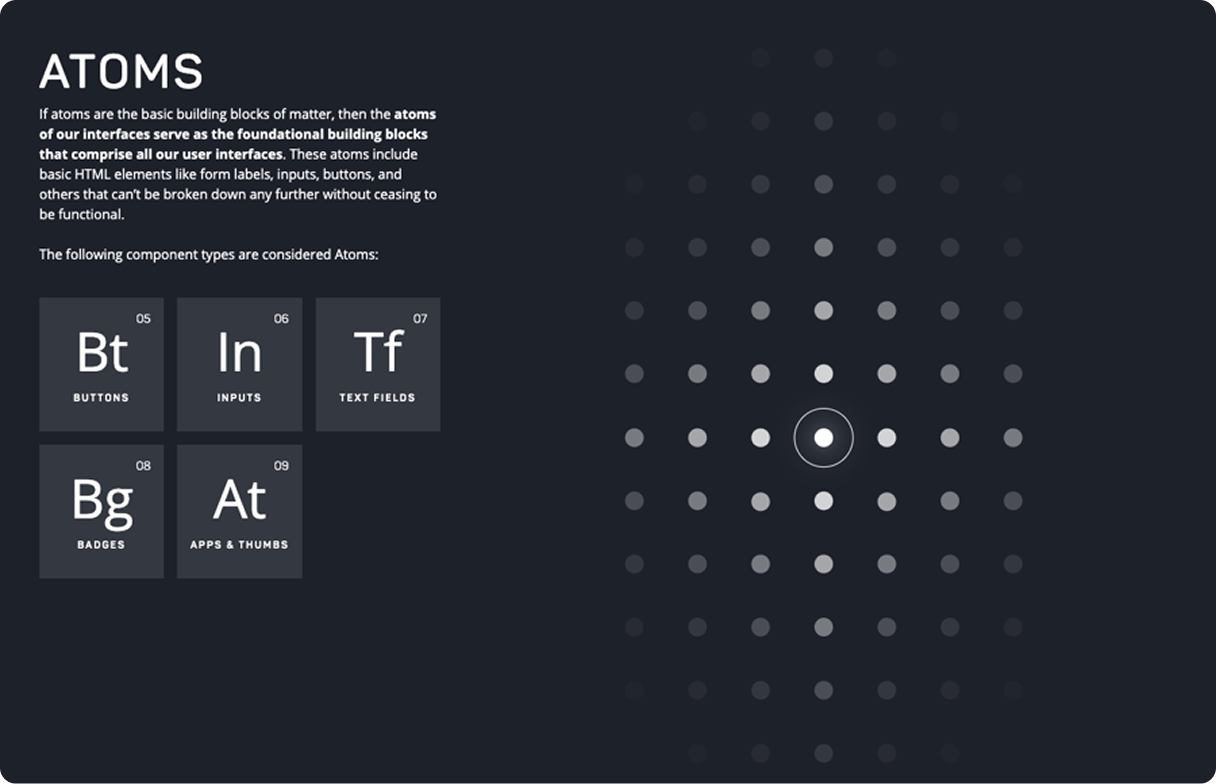
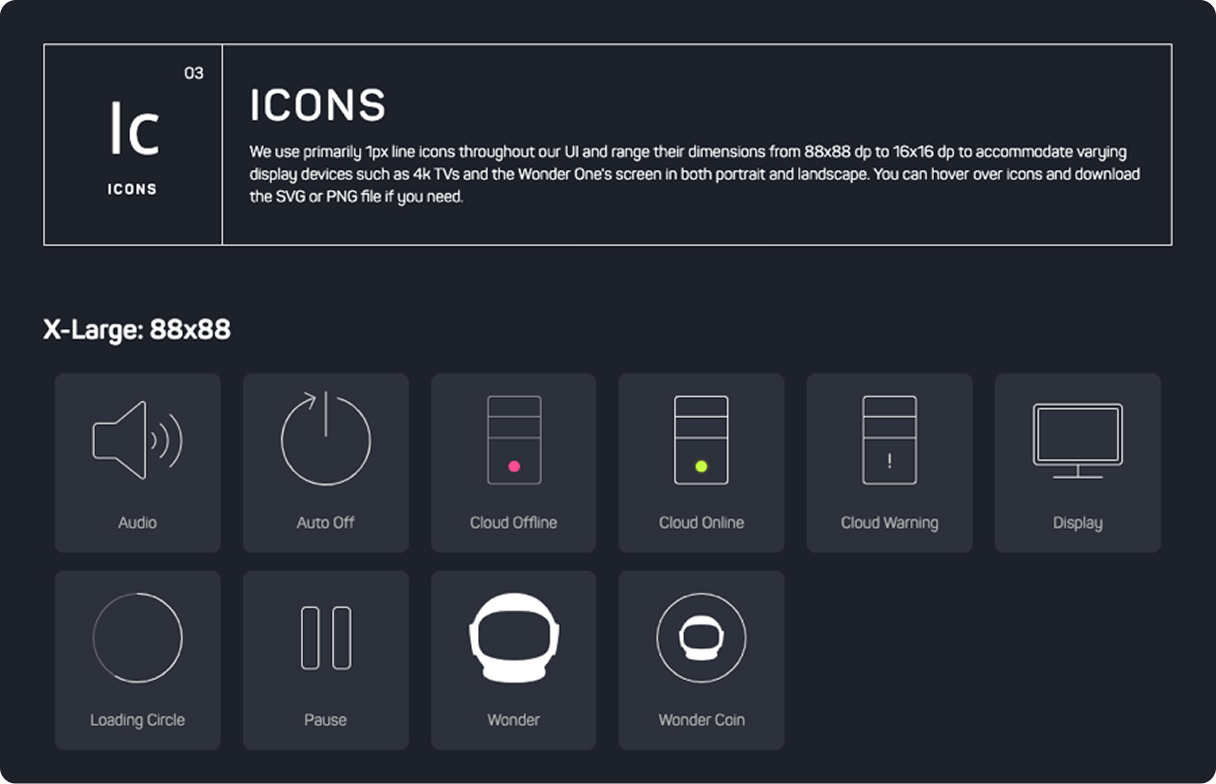
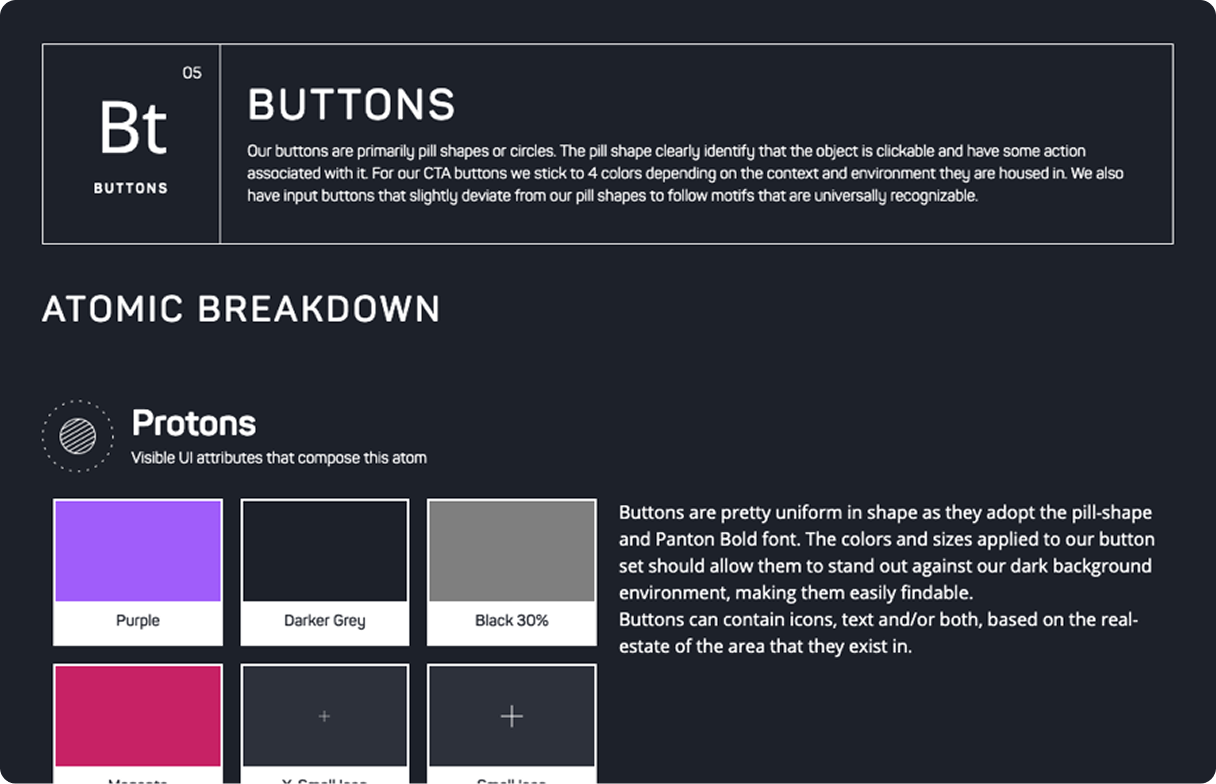
A Living, Self-Serve Design System
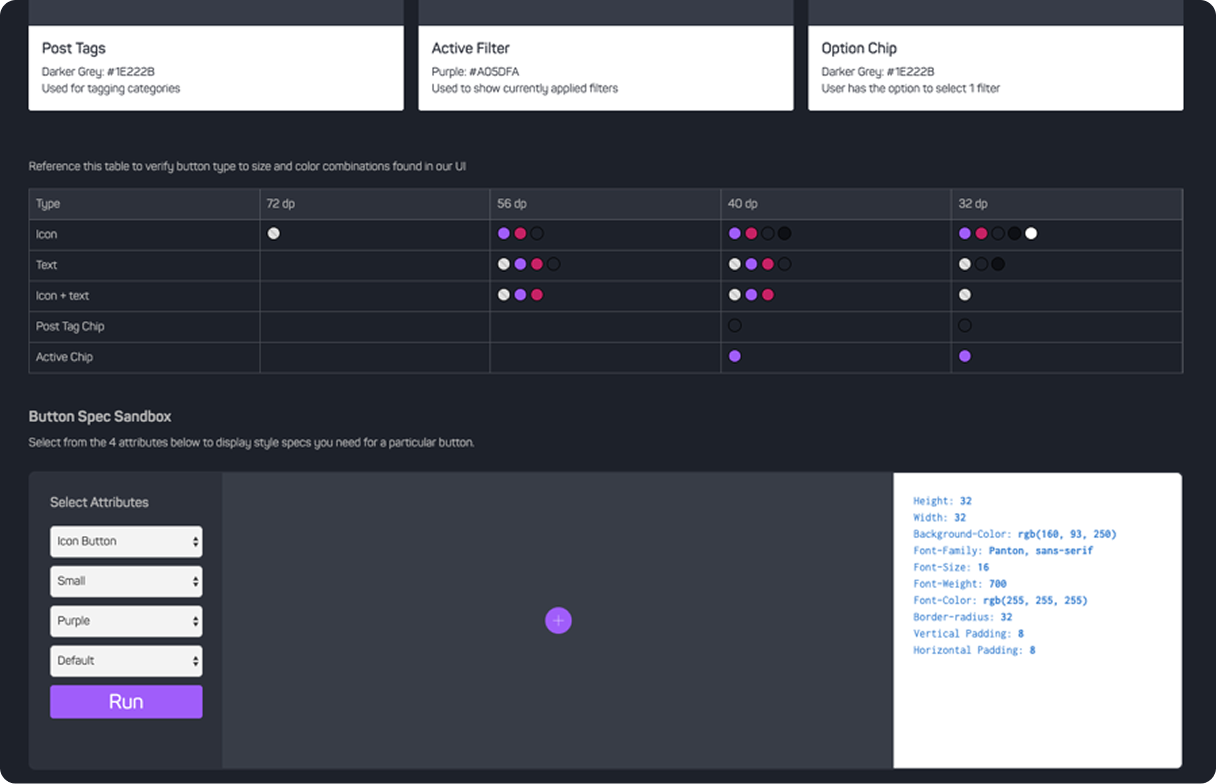
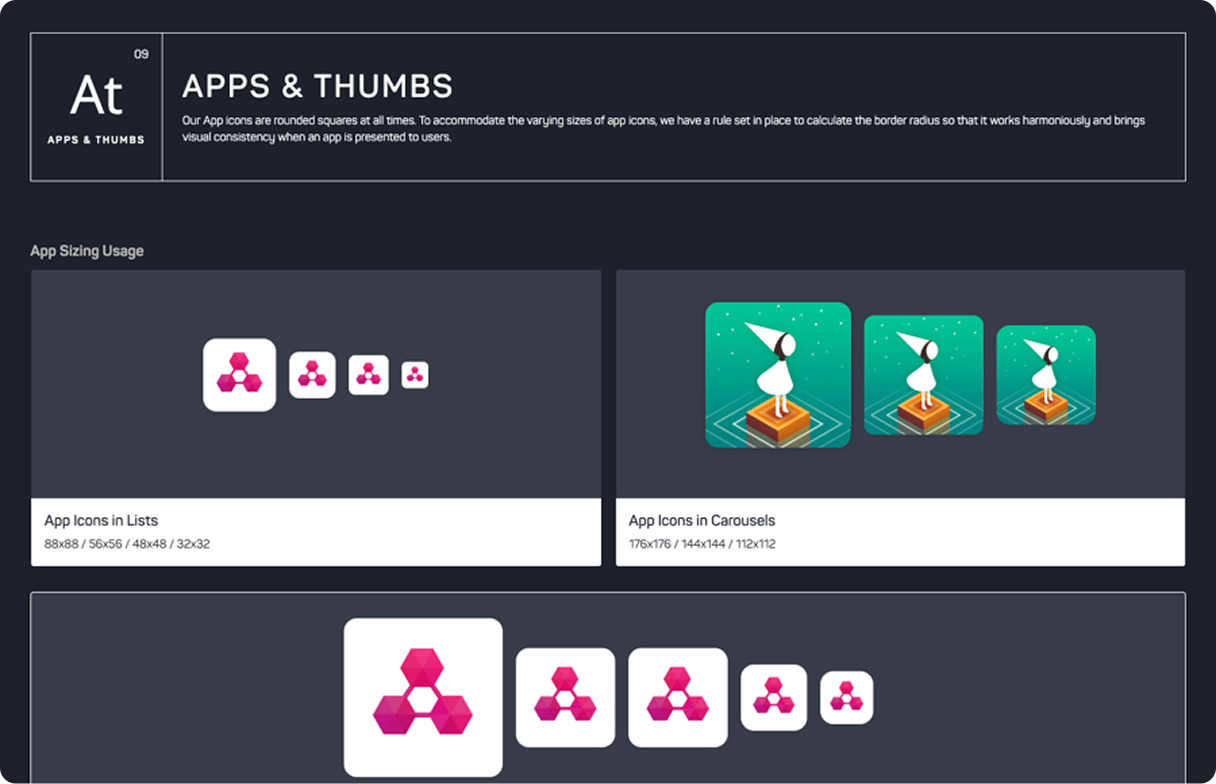
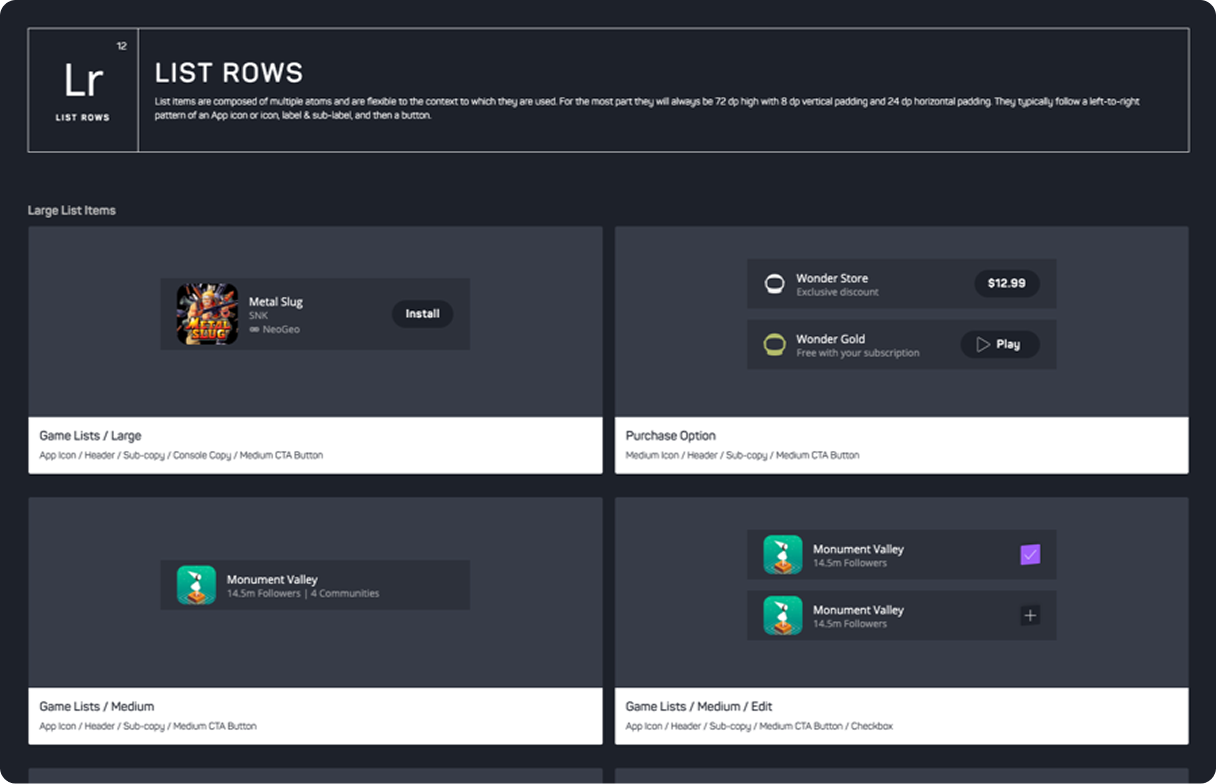
A shared Sketch styleguide was already created and being maintained amongst the design team but I noticed asset handoffs to engineers were a little inefficient. Engineers were searching Dropbox file directories for icons and assets based on a list of file names provided to them. To fix this, I built a web-hosted design system that gave engineers a single source of truth: they could download production-ready assets, copy code snippets straight into their work, and interact with live components right alongside their documentation. What had been a tedious scavenger hunt became a fast, self-serve workflow that kept design and engineering in sync.
Marketing Presence
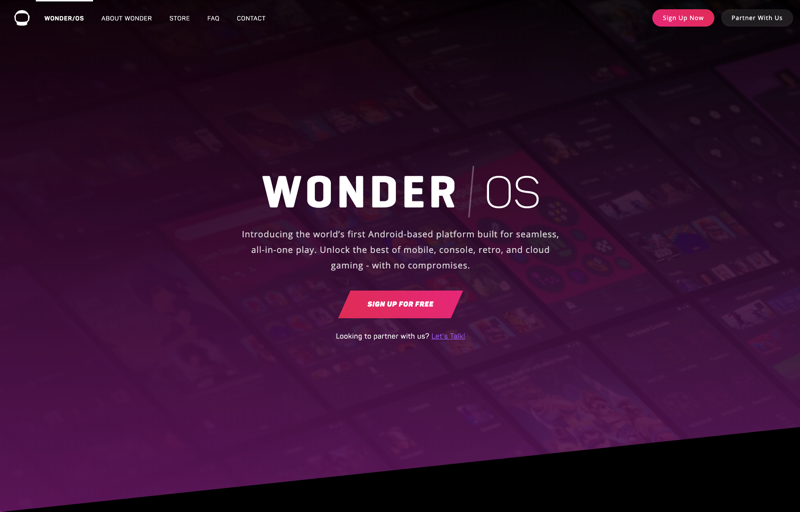
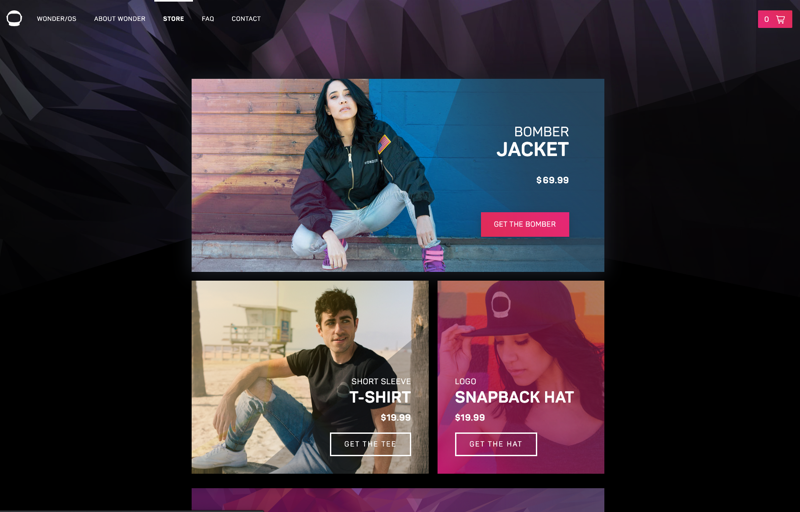
The design team had to rapidly build the web presence and merch store for Wonder. We had to quickly pool together assets and a solution to announce the WonderOS. With my experience building websites, I quickly built out a Webflow site integrated with Shopify to allow the marketing team to do content entry and sell Wonder swag. The design team provided me with assets, designs, and videos that I integrated into the corp site experience. We integrated Mailchimp to collect data on interested users so that we could launch and manage email campaigns. From there I continually built out data analysis reports for the Business and Marketing teams.
Reflections
Wonder was where I truly learned the value of user research as a design foundation. Building a user testing lab from scratch and conducting hands-on hardware testing gave me insights that no remote survey could provide. Watching users struggle with our interface in real-time fundamentally changed how I approach design problems.
The challenge of designing for both touchscreen and gamepad interactions across phone and TV displays pushed me to think systematically about input methods, focus states, and accessibility in ways that continue to inform my work today.
Key Outcomes
- Established in-house user testing lab and methodology from ground up
- Identified and resolved 30+ usability issues through systematic testing
- Created cross-platform design system for mobile and TV experiences
- Built and launched marketing website and e-commerce store